
Table of Contents
Water heater installation is more than swapping out an old tank for a new one. Done right, it protects your family from serious hazards and keeps your manufacturer warranty intact. Done wrong, it can create dangers you won't notice until it's too late.
Key Takeaways
-
Professional water heater installation protects your warranty coverage and keeps your family safe from carbon monoxide leaks, explosions, and scalding hazards that DIY work often misses.
-
Matching your unit type to actual household demand matters more than tank size alone; first-hour rating, recovery speed, and fuel infrastructure determine whether you'll have enough hot water during peak use.
-
Heat pump, tankless, and traditional tank systems each require specific conditions like air space, electrical capacity, or gas line sizing to perform efficiently and safely.
-
Licensed plumbers handle legally required components such as seismic straps, expansion tanks, and drip pans that many homeowners overlook during self-installation.
-
Most standard installations finish within two to four hours, though converting to tankless or upgrading electrical service can extend the timeline significantly.
What Is Water Heater Installation and Why Does It Matter?
So what exactly goes wrong with a botched water heater installation? Gas units pose the most immediate threat. Improper venting allows carbon monoxide to seep into living spaces instead of exiting through the flue. This colorless, odorless gas causes illness or worse before occupants realize there's a problem.
Electric models carry risks too, but gas vs electric water heater comparisons show gas systems demand extra vigilance. HUD NSPIRE inspection standard specifically checks flue pipes for negative pitch, disconnected joints, and tape covering voids, all conditions that let combustion gases escape into the home. These aren't theoretical concerns. They're documented failure points that federal inspectors are trained to catch.
Safety Risks You Can't Ignore
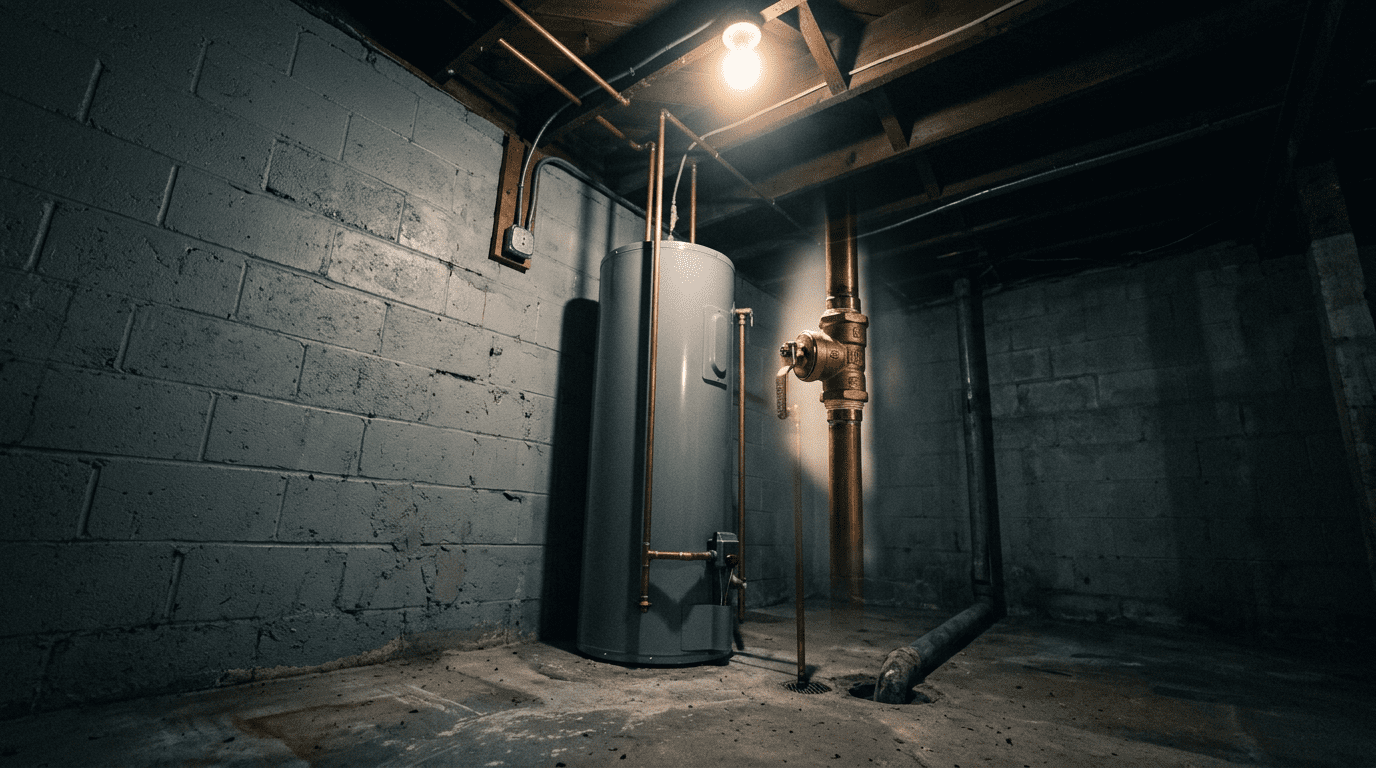
The temperature and pressure relief valve, or T&P valve, presents another critical safety checkpoint. This small component prevents tanks from exploding if internal pressure spikes. Yet DIY installation guides note that discharge piping must terminate within six inches of a floor or drain to avoid scalding anyone nearby. Routed wrong, superheated water sprays across the room instead of harmlessly draining away.
Does Water Heater Installation Require a Permit?
Manufacturer warranties add a financial layer to these safety stakes. Most brands require licensed installation to keep coverage valid. Attempt the work yourself, and a failed tank or damaged component becomes your full expense. That $40 part you saved on DIY labor could turn into a $1,200 replacement you pay entirely out of pocket.
Beyond warranty language, local building codes carry their own penalties. Unpermitted work can block home sales, trigger fines, or force costly rework. Professional water heater installation services handle permits, inspections, and code compliance as part of the job. For homeowners weighing whether to DIY or hire out, understanding these stakes often tips the decision toward calling a licensed plumber who guarantees both safety and coverage.
Choosing the Right Equipment
Selecting the right equipment for your home starts with understanding how you actually use hot water. A family of four taking back-to-back morning showers needs a very different setup than a couple who mostly runs the dishwasher at night. First-hour rating tells you how much hot water a tank unit can deliver in that busy morning window, and it often matters more than the tank's total gallon capacity. Tankless systems solve the capacity puzzle by heating water on demand, but they require larger gas lines or an upgraded electrical panel to handle the instant energy draw. Heat pump water heaters offer another path, using ambient air to warm water with far less electricity, though they need warm basements or utility rooms to perform at their best.
The Department of Energy notes that water heating accounts for about 18% of a typical home's energy use, making your equipment choice a long-term financial decision. Heat pump models cut that draw dramatically, but only when installed in spaces that stay above 38°F with adequate air circulation. Tankless units shine for households with predictable, spaced-out usage, while traditional tanks with strong first-hour ratings still suit families with concentrated demand. Matching fuel type, capacity, and efficiency to your actual patterns prevents the regret of a system that can't keep up or one that costs more to operate than necessary.
Tank vs. Tankless: Key Differences
What happens when your electrical panel can't support the upgrade? Many homeowners discover their 100-amp service needs expansion before a tankless or heat pump unit can function safely. ENERGY STAR guidance shows that most 240V heat pump models need a 30-amp circuit, though some newer units work on 20-amp or even standard 120V outlets. Sizing up becomes essential when converting from gas to electric heat pump technology, since recovery rates differ and a direct capacity swap often leaves you short during peak demand.
What Should You Compare Before Buying?
Before you settle on any equipment type, run through these practical checks that separate a smooth installation from a costly surprise.
-
Measure your peak demand: Count simultaneous morning uses, showers, and appliances that draw hot water within the same hour.
-
Check your fuel infrastructure: Gas lines may need upsizing for tankless units, while electric panels often require expansion for heat pump or on-demand systems.
-
Assess your installation space: Heat pump water heaters need at least 700 cubic feet of air space and locations that stay above 38°F year-round.
-
Compare recovery speed, not just tank size: A 50-gallon tank with strong recovery can outperform an 80-gallon unit with sluggish heating elements.
-
Factor in long-term energy goals: Heat pump and tankless options cost more upfront but typically reduce monthly utility draws for homes that match their strengths.
Right-Size Your System
A unit that's too small leaves you shivering through morning showers. One that's too large wastes energy heating water you won't use. Match tank capacity to peak demand, or choose a tankless model sized for simultaneous fixtures. Factor in future household changes, too. A growing family or aging-in-place plans can shift your needs within just a few years.
How Does Installation Actually Work?
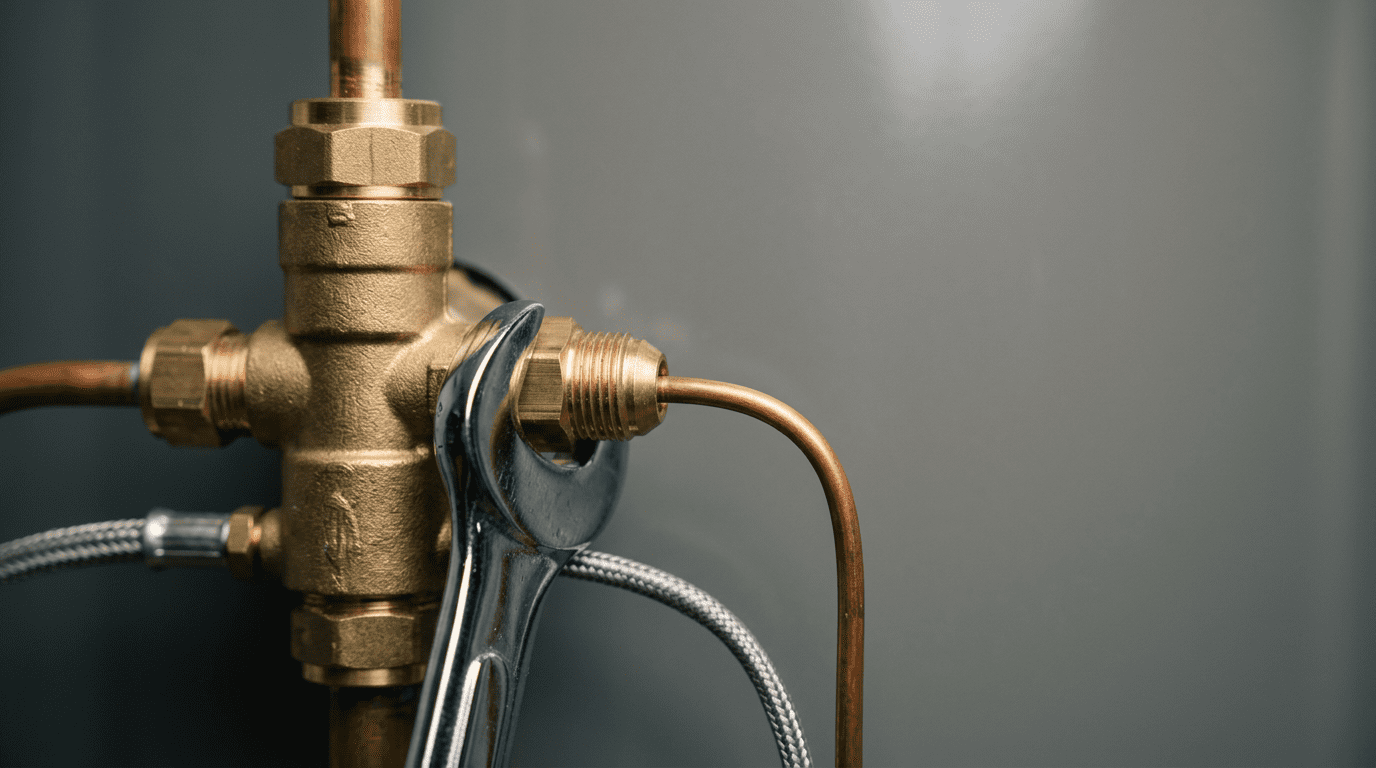
Water heater installation follows a precise sequence that varies sharply between gas and electric models. The process starts long before the new unit arrives, with proper removal of the old equipment and assessment of code-mandated accessories that many homeowners never consider. Seismic strapping, expansion tanks, and drip pans aren't optional add-ons in most jurisdictions, they're legally required components that protect your home and neighbors from catastrophic failures.
A licensed plumber begins by draining the old tank completely, which sounds simple until you deal with years of sediment-heavy water that can clog floor drains and stain finished surfaces. Disposal itself carries local rules, since tanks contain glass lining and metal that recyclers handle differently. The National Water Heater Authority's guide to water heater code compliance in the US makes clear that these standards carry force of law, with violations triggering failed inspections and required removal of improperly installed equipment.
Gas vs. Electric Hookup Steps
Gas installations demand an additional layer of safety verification that electric models skip entirely. Your technician must pressure-test every connection with a manometer or soap solution before the unit ever fires, checking for leaks that your nose cannot detect at low concentrations. This commissioning step separates professional work from dangerous shortcuts, since even microscopic gaps in gas lines create explosion risks over time. Gas water heater repair specialists see the aftermath when this step gets skipped, and the damage is never limited to just the water heater.
-
Shut off fuel and water supplies, then drain the old tank fully into a suitable drain or pumped container to handle sediment-laden discharge.
-
Remove the existing unit and haul it away per local disposal rules, which may require separation of recyclable metals from glass-lined tank components.
-
Install seismic strapping to code-specified heights, since even low-seismic zones increasingly require tanks to resist tipping during earthquakes or accidental impact.
-
Mount an expansion tank on the cold water inlet when the home has a closed plumbing system with a pressure-reducing valve or backflow preventer.
-
Position a drip pan with proper drain routing beneath the tank to catch slow leaks before they rot subflooring or finished ceilings below.
-
Pressure-test gas connections with calibrated manometers or approved soap solutions, holding pressure for the duration specified by local amendments.
-
Complete combustion air and venting checks, then schedule the rough and final inspection with your local authority having jurisdiction before concealing any work.
Ready for Expert Help?
You've seen what separates a safe, lasting installation from hidden dangers that surface months or years later. When gas connections, corrosion prevention, and code compliance are on the line, professional expertise isn't a luxury, it's protection for your home and family. Reach out for a quote and let's get your installation done right the first time.
Frequently Asked Questions
What is the typical cost to install a hot water heater?
Water heater installation costs typically range from $800 to $3,500 depending on the unit type, size, and complexity of the job. Tankless models generally cost more upfront than traditional tank units. Labor, permits, and any necessary plumbing modifications also affect your total price. For a detailed breakdown, explore our water heaters guide.
Can I install my new water heater myself?
You can replace a water heater yourself, but it's rarely the smartest choice. Gas lines, electrical connections, and venting require proper permits and code compliance. Mistakes can create fire hazards, carbon monoxide risks, or void your warranty. Most homeowners find that professional water heater installation delivers safer, longer-lasting results.
How long does professional water heater installation take?
Most standard installations finish in 2 to 4 hours. Tankless conversions or complex relocations may extend to a full day. Your plumber will drain and remove the old unit, inspect connections, install the new heater, test for leaks, and verify proper operation before leaving.
Schedule a Service or Request a FREE Estimate Now: