By All About Plumbing & Septic
Table of Contents
Key Takeaways
- With 24/7 emergency availability and no overtime charges, addressing a water heater making noise sooner rather than later protects both your comfort and your wallet.
- In short, a water heater making noise is rarely random; it is the audible fingerprint of what is physically happening with heat, minerals, and metal inside the unit.
- A water heater making noise rarely quiets down on its own, and the real fix is a professional flush or repair, not another sleepless night.
- Water heater making noise refers to the popping, rumbling, crackling, screeching, or humming sounds a hot water system can produce, commonly caused by sediment buildup, expanding tank metal, loose components, or ordinary operation.
Water heater making noise refers to the popping, rumbling, crackling, screeching, or humming sounds a hot water system can produce, commonly caused by sediment buildup, expanding tank metal, loose components, or ordinary operation. Some of these noises point to problems typical of a water heater going bad, while others, such as the fan and compressor in heat pump water heaters that make some noise, are simply part of normal function. Catching the difference early guides smarter electric water heater troubleshooting and repair decisions.
Why Is Your Water Heater Making Noise?
A water heater making noise is your unit telling you something, from a harmless operational hum to an early warning of sediment buildup, pressure changes, or component wear that deserves attention. Understanding those sounds helps you protect one of your home's hardest working appliances before a small issue turns into a cold-shower emergency.
Not every sound spells trouble, because some noise is simply part of how the equipment runs. According to ENERGY STAR guidance, a heat pump water heater produces a sound similar to a dishwasher, between 45 and 55 decibels. Popping, rumbling, or crackling from a conventional tank, on the other hand, often points to sediment collecting on the bottom, where trapped minerals let water boil and sputter against the heating surface.
Why does this matter to you? A unit forced to work through a layer of hardened sediment generally runs less efficiently, wears faster, and can quietly raise your energy costs. Left unchecked, persistent noise may foreshadow leaks, a failing heating element, or a tank nearing the end of its life. That is where weighing gas water heater repair against replacement becomes important. If the sounds are new or getting louder, the family team at All About Plumbing & Septic can inspect the system and help you schedule a service visit before the problem escalates.
What Causes a Water Heater to Make Noise?
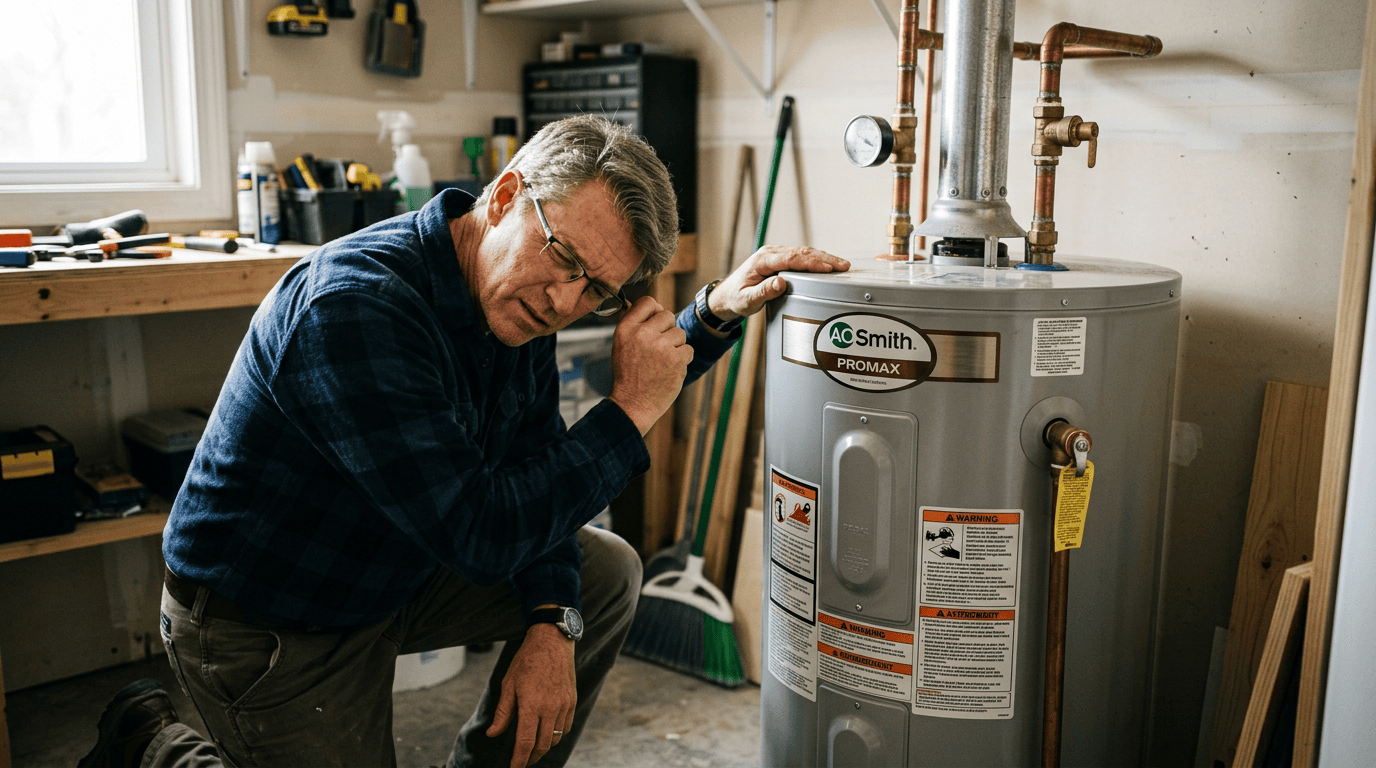
A water heater making noise usually points to one of a few common culprits: sediment settling at the bottom of the tank, mineral scale on the heating elements, loose or expanding pipes, or trapped air in the lines. Each sound tells a different story, and recognizing it early helps you act before a small issue becomes a costly failure. The most frequent cause is sediment. As water heats, dissolved minerals like calcium and magnesium separate and sink, forming a hardened layer. When water boils beneath that layer, you hear popping, rumbling, or crackling. Other times, a high-pitched whine or hissing signals scale on the elements or restricted flow, while banging or knocking often traces back to water hammer or pipes shifting against framing. Some models, such as heat pump water heaters, have a fan and compressor that naturally make some noise during normal operation. Knowing which of these applies to your unit is the first step toward a quiet, efficient system. At All About Plumbing & Septic, we often see a water heater making noise dismissed as normal until hot water disappears entirely. Our family-owned team, serving Buncombe County, Haywood County, and Henderson County, NC, has diagnosed these sounds in every type of system, from tankless models to high-efficiency options. Whether you are weighing a gas or electric system or simply want peace of mind, a licensed professional can pinpoint the source quickly. If you notice a water heater making noise that grows louder or arrives with leaks, rusty water, or inconsistent temperatures, it is worth a professional look. With 24/7 emergency availability and no overtime charges, addressing a water heater making noise sooner rather than later protects both your comfort and your wallet.
Why Does Sediment Cause Popping Sounds?
Sediment is the most common reason for a noisy tank. Over time, calcium and magnesium settle into a thick layer at the bottom of the tank, directly over the burner or lower heating element. As the burner heats this layer, trapped water pockets boil and burst, creating the popping or rumbling you hear. Beyond the noise, this buildup forces your heater to work harder, which can drive up energy costs and shorten its lifespan. Flushing the tank periodically helps prevent it.
How Should You Respond to New Noises?
The moment you notice a new or worsening sound, note when it happens: during heating cycles, when taps open, or constantly. Then check for companion warning signs like leaks, discolored water, or fluctuating temperatures. Avoid guessing at repairs on a pressurized, gas-fed appliance. Instead, document the symptoms and contact a licensed plumber who can safely test the tank, valves, and heating elements before the problem escalates.
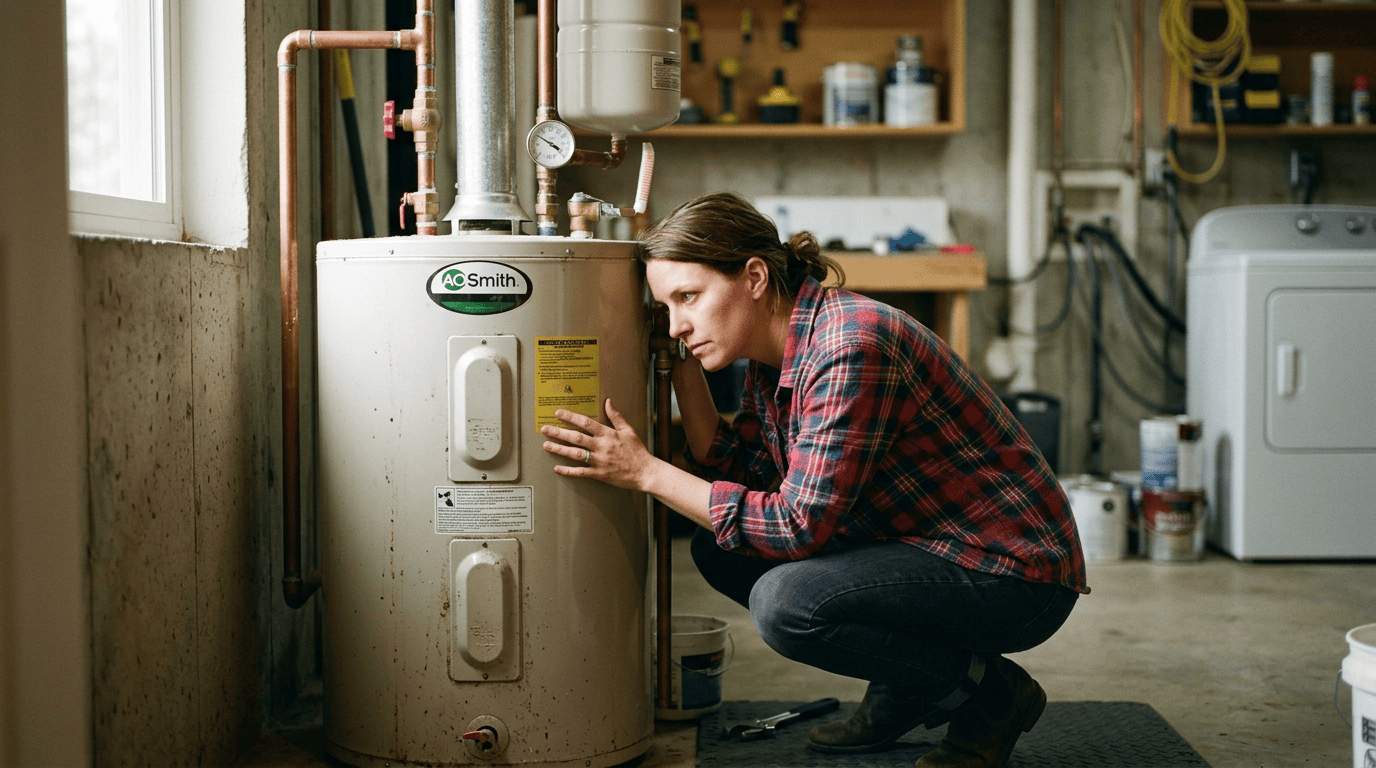
- Popping or rumbling: sediment boiling beneath a hardened layer at the bottom of the tank
- High-pitched whistling or hissing: mineral scale on the elements or a partially closed valve restricting flow
- Banging or knocking: water hammer or pipes expanding and shifting against the home's framing
- Sizzling or crackling: condensation dripping onto a hot gas burner
- Ticking or light tapping: routine expansion and contraction of metal pipes and fittings
- Screeching: a nearly closed inlet valve limiting the water supply into the unit
Rule of Thumb
- A steady hum during a heating cycle is often normal, but any sound that is new, growing louder, or paired with leaks or lukewarm water deserves prompt attention.
- When in doubt, a quick professional inspection typically costs far less than an emergency replacement.
Quick Facts
- 45 to 55 dBA – Typical heat pump water heater sound level, similar to a dishwasher, per ENERGY STAR
- Under 55 dBA – ENERGY STAR NextGen sound requirement for units in occupiable spaces
- 24/7 – Emergency plumbing availability from All About Plumbing & Septic with no overtime charges
- Since 2011 – Family-owned team serving Buncombe, Haywood, and Henderson County, NC
How Does Sediment Create Water Heater Noise?
A water heater making noise usually comes down to a physical process unfolding inside the tank: as the unit heats water, minerals and loose sediment settle to the bottom, water becomes trapped beneath that layer, and escaping steam bubbles force their way through, producing the popping, rumbling, and crackling many homeowners hear. Over months and years, dissolved minerals in your water supply, calcium and magnesium in particular, precipitate out as the water warms and collect as a hardened crust across the tank floor. When the burner or lower heating element fires beneath that crust, pockets of water flash to steam and percolate upward, and each escaping bubble makes the sound you notice from another room. Generally, the more sediment that accumulates, the louder and more frequent the noise becomes.
The metal itself contributes too. As a tank cycles between hot and cold, the steel shell and internal parts expand and contract, which can create ticking or creaking. Scale that clings to an electric element acts like insulation, forcing the element to work harder and sometimes sizzle or hiss as trapped water boils against it. That same layer also separates water from the heat source, so the system can run longer and use more energy. In short, a water heater making noise is rarely random; it is the audible fingerprint of what is physically happening with heat, minerals, and metal inside the unit.
Not every system produces sound the same way. A traditional tank tells its story through sediment, while a tankless unit tends to whistle or rattle when scale narrows the heat exchanger passages. A heat pump model works differently, running at an operating sound similar to a dishwasher. For more than a decade, families across Western North Carolina have trusted our team at All About Plumbing & Septic to translate these sounds into a clear diagnosis, whether the fix is a straightforward flush or a component replacement.
Why Does Sediment Settle at the Bottom?
Sediment settles because your incoming water carries dissolved minerals and fine grit that gravity pulls toward the lowest point in the tank. As water heats, calcium and magnesium lose solubility and drop out of suspension, layering onto the floor where the heat is most intense. The hotter the setting and the harder the local water, the faster this layer builds, which is why homes on well water or mineral-rich supplies often notice buildup sooner than others.
How Can You Confirm the Sound's Source?
To confirm the source, listen for timing and pattern. Popping or rumbling that peaks during a heating cycle points to sediment, while ticking that fades as the tank finishes heating usually signals normal metal expansion. A steady hiss can mean a scaled element. Draining a small amount of water into a bucket and checking for sandy grit is a safe first check. If the sound is loud, persistent, or paired with reduced hot water, have a licensed plumber inspect it.
Rule of Thumb: Louder Usually Means Overdue
- As a general guide, the louder and more frequent the rumbling, the more sediment has likely collected and the longer your tank has gone without a flush.
- Persistent noise paired with slower hot water recovery is a common sign the unit needs professional attention.
- When in doubt, a quick inspection is far cheaper than replacing a heater that failed early from neglect. You can schedule an inspection online any time.
Repair, Replace, or Upgrade: Which Option Fits?
Start by matching the fix to the cause: a water heater making noise from sediment usually responds to a professional flush, worn valves or high pressure call for a targeted repair, and an aging, corroding tank is often smarter to replace than to patch again. Because a water heater making noise can stem from different faults, the best alternative depends on which sound you hear. Rumbling and popping in a storage tank point to sediment, so flushing is the lowest-cost route. Whining or screeching often traces to a restricted valve or high water pressure, which a plumber can adjust without replacing the unit. Once a tank passes its service life or shows rust-colored water, replacement beats a cycle of repeated repairs. At that point, homeowners weigh three alternatives: a like-for-like storage tank, a tankless unit that heats on demand, or a heat pump hybrid electric model. If you are comparing fuel types before you buy, our guide to the pros and cons of gas water heaters lays out the tradeoffs. The family team at All About Plumbing & Septic can inspect the sound and price every option transparently.
When Is Replacement Smarter Than Repair?
Age is the deciding factor. A tank-style water heater typically lasts about 10 years, while a tankless model can reach roughly 20 years, according to the City of Portland. A noisy unit under a decade old is usually worth flushing and keeping. Once a tank passes that lifespan, corrodes, or leaks, repeated repairs rarely pay off.
How Can You Quiet a Hybrid Unit?
If you upgrade to a heat pump model, expect a soft hum from the fan and compressor, roughly 45 to 55 dBA, per ENERGY STAR. The practical step is placement and insulation: keep the unit away from rooms beside bedrooms, add sound insulation, or select a quieter certified model. Not sure where it should sit? You can reach our family team to plan the install.

|
Approach |
Best For |
Key Figure |
Noise & Upkeep Note |
|---|---|---|---|
|
Flush or descale the existing tank |
Sediment rumble in a tank under ~10 years old |
Flush yearly; lowest-cost route |
Restores heat transfer and quiet operation |
|
Replace with a tankless on-demand unit |
Homes wanting the longest service life |
~20-year lifespan vs ~10 for tanks, Portland's water bureau |
Compact; needs periodic descaling |
|
Heat pump (hybrid) electric model |
Electric homes cutting energy use |
70% less energy than standard electric, ENERGY STAR contractor guide |
Soft, dishwasher-level hum |
|
Optimize placement and add insulation |
Units near bedrooms or living space |
Keep sound under 55 dBA, the ENERGY STAR FAQ |
Also yields 2-5 degrees F localized cooling |
Ready to Silence That Noisy Water Heater?
A water heater making noise rarely quiets down on its own, and the real fix is a professional flush or repair, not another sleepless night. As a father-and-sons team, we handle any water heater problem with 24/7 emergency service, no overtime charges, and honest pricing well below the franchises. Schedule your repair and let our family put the quiet back in your home.
Frequently Asked Questions About Water Heater Noise
Why is my water heater making noise?
A water heater making noise is most often caused by sediment, mineral scale, and hard water deposits that settle on the bottom of the tank, where trapped steam bubbles pop and rumble as the burner or heating element warms the water. Loose pipes, high water pressure, or a failing heating element can also create knocking, ticking, or humming sounds. Identifying the specific sound helps you match it to the right repair.
Is a water heater making noise something to worry about?
A water heater making noise is rarely an emergency, but the sound is worth addressing. Popping and rumbling usually point to sediment buildup, which reduces efficiency and shortens the life of the tank. Sharp banging or hissing can signal pressure or leak problems that need prompt attention. When sounds are loud, sudden, or paired with leaking, shut the unit off and call a professional. For a free estimate, you can contact our team at All About Plumbing & Septic.
How can I stop popping or rumbling sounds from my water heater?
Flushing the tank to remove sediment is the most effective fix for popping and rumbling. Draining a few gallons every several months, confirming the temperature setting is not too high, and adding water treatment for hard water all help. Persistent noise after a flush often means a worn heating element or heavy scale that a plumber should inspect.
Why does my heat pump water heater hum?
A heat pump water heater normally produces a steady hum from its fan and compressor while it runs, which is expected during operation. That low hum is normal, and the federal ENERGY STAR program compares this sound to a running dishwasher, roughly 45 to 55 dBA, so it may be noticeable if the unit sits close to a bedroom.
Schedule a Service or Request a FREE Estimate Now: